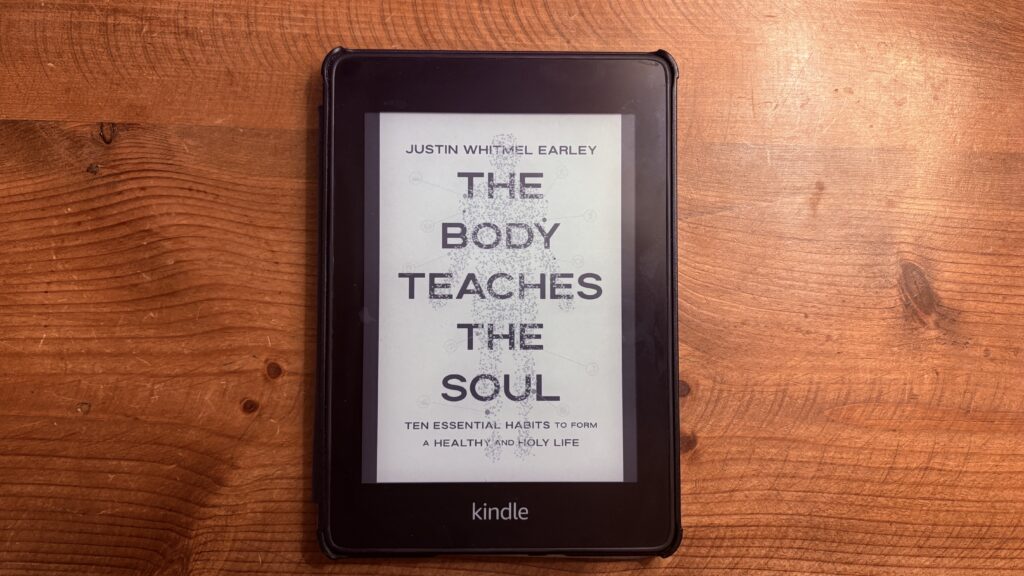
I almost want to call this review “do you want to build a snowman” but I think that’s been taken.
This excellent book works anytime of year but perhaps best as the calendar rolls over and some of us reflect on the year that was, stare at the reflection in our mirrors or check books or scales and think about what could have been and what still might be. Many of us would like to get the ball rolling in one or more of the big five areas of life (faith, finance, fitness, relationships, work).
The book is a personal story of small habits piling up until Earley’s life was different. What makes this book of interest to me is that Earley did not necessarily set out to change his physique and lifestyle, but rather his spiritual life, and he was surprised to find both changed. That is a lot like my own tale, which I will spare you, and so the book was a fascinating read that struck a chord of truth throughout. He writes, “The reason I didn’t think any of this would matter was because I had no idea that ordinary little habits would bring the most extraordinary change in my life. I had no idea how much the spiritual disciplines would invite me to physical transformation.” A person sets out with one goal and achieves multiple, like when my kids shoot pool in their grandparents basement and magically get two balls pocketed in a single shot, the delight on their face is what we all want.
One of his conclusions, which is limited of course, but helpful, is, “You cannot think your way out of a problem you didn’t think your way into. You practiced your way here; you need to practice your way out.” I take him to mean that many of our problems are caused by our practices rather than any lack of knowledge (we all know we shouldn’t eat certain things, it is the putting into practice that is the hard part). I find this humble and approachable, I suspect you will too because there are habits we all know we should get going on.
The book has some simple and helpful practices like “box breathing” which he practices by using a finger to trace actual boxes on his knee. So if you are looking for some very simple but effective “how to” advice, this book has something for you. His hope is to identify the ones in his life that proved to be keystone habits which he defines as, “Keystone habits work by catalyzing healthy changes in many big things kicked off by changing one small but significant thing.” Like those stories of deciding to do a single push up a day and how that mostly leads to more than once because once you are down there you may as well do more, which leads to better eating because its what your body wants and you realize it may mean less to lift every day and the spiral gets momentum. Or the habit of tithing which gets us thinking in percentages about our income and suddenly we have a budget and a plan for every dollar.
Of course, we have all failed at this, I cannot begin to tell you about how many great ideas/programs I have started and given up on quickly! Still, Earley is encouraging, “Here’s the most important insight: Because the human brain is habit-based, you already have a rule of life [emphasis mine]. You already have an invisible set of habits that is shaping your mental health. The question is, are they forming you in the shalom of integration or in the mental unhealth of disintegration?” It is true of all elements of our health, mental, spiritual, physical, and relational.
As a man of faith I appreciate Earley’s attempts to constantly bring us back to where faith fits into our lifestyles lest one lean towards boasting, and avoids anything like claiming that healthier people are more loved by God or anything that smacks of works-based righteousness. Like his Key Reminder regarding the chapter on mental health, “Grace > Legalism Your habits of mental health won’t change God’s love for you, but God’s love for you should change your habits of mental health.” His encouragements are grace filled and inspiring at the same time, a tough balance that he has managed well.
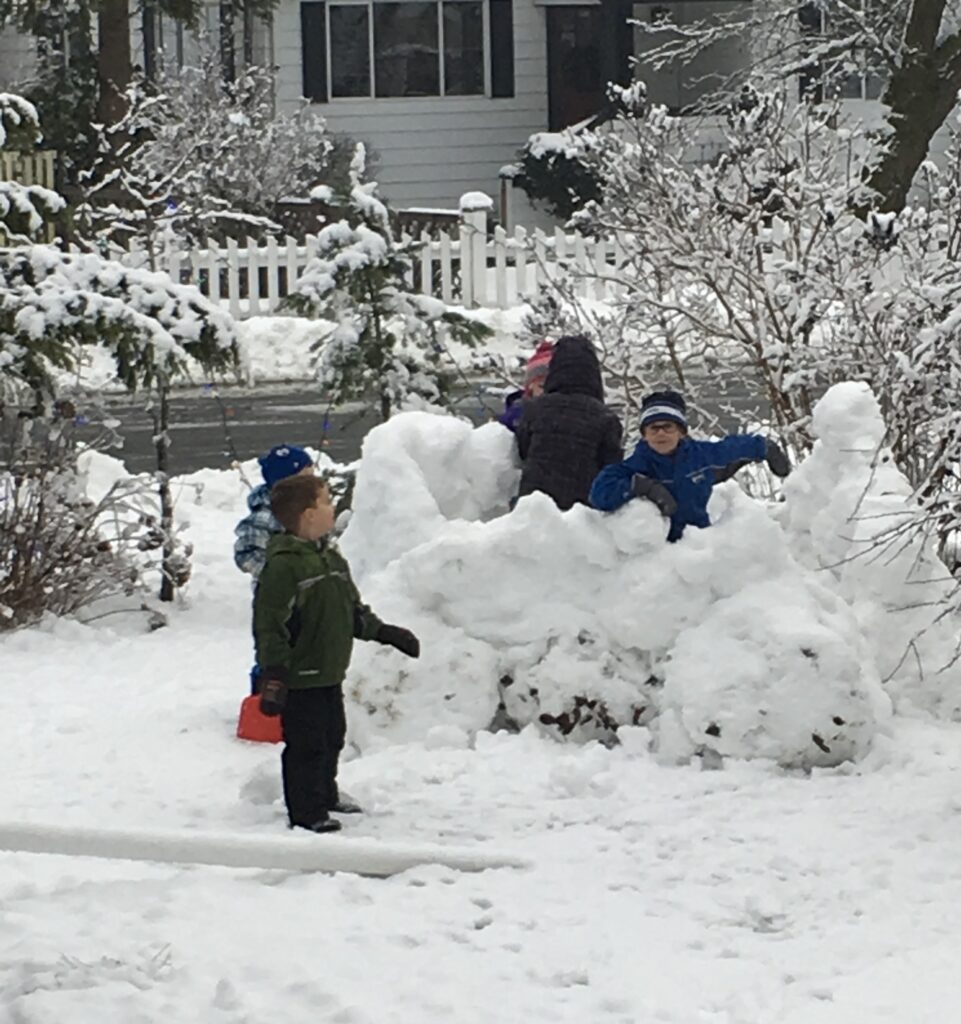
Some might find the books lacks specifics (you won’t find a couch potato to 5k run plan in this book) which gets us back to the snowman idea. When it comes to transforming our health—people want the whole (slimmer fitter) snowman and Earley just wants to help us get the first handful of snow packed because he believes from there the snowman is inevitable. The fact is, there are countless how to books, I think his idea is once a person gets started the practices start to roll and every person has a different path, the point is to get moving in the first place and appreciate how everything snowballs.
If you might want to build a snowman out of life, check this book out, you will be happy you did.

Leave a Reply to Renee Nickolichuk Cancel reply